th350 reverse manual valve body

The TH350 transmission, a cornerstone of automotive engineering, benefits greatly from a robust valve body, especially the reverse manual variant.
This component orchestrates hydraulic fluid flow, dictating gear selection and overall transmission performance, ensuring smooth and reliable operation.
A reverse manual valve body offers enhanced control, often favored in performance applications, providing a direct mechanical link for precise gear changes.
What is a TH350 Transmission?
The TH350 transmission, a three-speed automatic, gained immense popularity from the late 1960s through the 1980s, becoming a staple in General Motors vehicles. Known for its durability and relatively simple design, it proved reliable for a wide range of applications, from everyday passenger cars to high-performance muscle cars.
Its robust construction allowed it to handle significant power, making it a favorite among enthusiasts. The TH350’s core function is to efficiently transfer engine power to the wheels, automatically shifting through its three forward gears and reverse. This is achieved through a complex hydraulic system controlled by the valve body.
The transmission’s design prioritized strength and ease of maintenance, contributing to its enduring legacy. While superseded by more modern automatics, the TH350 remains a viable and often preferred choice for restorations and performance builds, particularly when paired with a superior valve body.

The Role of the Valve Body
The valve body is the hydraulic control center of the TH350 transmission, orchestrating gear changes by directing fluid flow. It contains a network of channels, valves, and springs that respond to governor pressure, throttle position, and manual selector input; Essentially, it’s the “brain” of the automatic transmission, translating driver commands into mechanical action.
Proper function of the valve body is critical for smooth shifting, correct torque converter lockup, and overall transmission performance. A malfunctioning valve body can cause harsh shifts, delayed engagement, or even complete transmission failure. The reverse manual valve body specifically allows for a more direct, mechanical control of reverse gear.
Maintaining a clean and properly functioning valve body is paramount for longevity and optimal operation. Regular fluid changes and inspections can help prevent issues, ensuring the TH350 delivers reliable performance.
Understanding the Reverse Manual Valve Body
The TH350 reverse manual valve body distinguishes itself through a direct mechanical linkage for reverse gear engagement, bypassing the typical hydraulic control. This design offers drivers greater control, particularly beneficial in performance or racing applications where precise reverse maneuvers are crucial.
Unlike standard valve bodies, the manual component allows for immediate and positive engagement, eliminating potential delays caused by hydraulic pressure buildup. This is achieved through a mechanical rod or cable connected to the shift selector.
However, it’s important to note that this system requires careful adjustment and maintenance to ensure proper operation. Incorrect setup can lead to difficulty engaging reverse or damage to the valve body components. Superior K350 options often enhance durability and performance.

Common Issues with TH350 Reverse Manual Valve Bodies
Valve bodies can suffer from worn valves, sticking spool valves, and internal leaks, leading to pressure loss and impacting shift quality and reverse engagement.
Worn or Damaged Valves
Worn valves within the TH350 reverse manual valve body represent a frequent source of operational problems. Over time, the constant hydraulic pressure and fluid flow can erode valve surfaces, altering their precise fit and function.
This erosion leads to reduced sealing capability, causing pressure leaks and inconsistent fluid delivery to the appropriate transmission components. Consequently, shifts may become sluggish, imprecise, or even fail to occur altogether.
Damaged valves, often resulting from debris within the transmission fluid, can become stuck or restricted, further disrupting the hydraulic circuit. Identifying worn or damaged valves requires a meticulous inspection during a valve body rebuild, often involving careful measurement and comparison to original specifications. Replacement with high-quality components is crucial for restoring optimal performance.
Sticking Spool Valves
Sticking spool valves within the TH350 reverse manual valve body significantly impede smooth transmission operation. These valves, responsible for directing hydraulic fluid to different circuits, can become bound due to varnish buildup from degraded transmission fluid or the presence of metallic particles.
When a spool valve sticks, it prevents proper fluid flow, leading to delayed or harsh shifts, or even a complete inability to engage certain gears. This issue often manifests as erratic shifting behavior, particularly during transitions between drive and reverse.
Thorough cleaning and lubrication during a valve body rebuild are essential to address sticking spool valves. In severe cases, valve bore honing or replacement may be necessary to restore proper movement and ensure reliable gear selection. A Superior K350 kit can help.
Internal Leaks and Pressure Loss
Internal leaks within the TH350 reverse manual valve body are a common source of performance issues, leading to significant pressure loss and compromised shifting. These leaks often develop due to worn seals, gaskets, or damaged valve bores, allowing hydraulic fluid to bypass critical circuits.
Reduced hydraulic pressure diminishes the force applied to clutches and bands, resulting in slipping gears, delayed engagement, and a general lack of responsiveness. Identifying the source of these leaks requires careful inspection during a valve body rebuild.
A comprehensive rebuild kit, like a Superior K350 option, provides replacement seals and gaskets to address these leaks. Addressing these issues restores optimal hydraulic pressure, ensuring crisp, reliable shifts and extending the life of the transmission.

Diagnosing Problems with the Valve Body
Diagnosing a TH350 reverse manual valve body requires pressure testing, visual inspection, and careful observation of symptoms like delayed engagement or harsh shifts.
Pressure Testing Procedures
Pressure testing the TH350 reverse manual valve body is crucial for pinpointing internal issues. Begin by attaching a pressure gauge to designated test ports on the transmission case, following the vehicle’s service manual for precise locations.
With the engine running in park or neutral, observe the pressure readings across various gears and throttle positions. Deviations from the manufacturer’s specifications indicate potential problems within the valve body, such as worn valves or clogged passages.
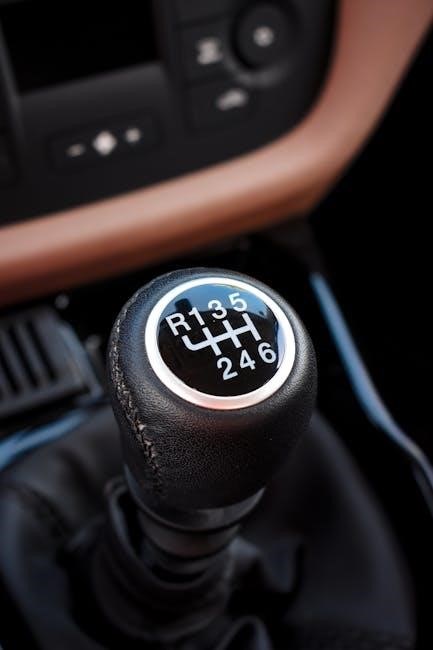
Specifically, check pressures related to reverse engagement, as the manual linkage can affect hydraulic control. Low pressure suggests leaks or insufficient pump output, while excessively high pressure may indicate a stuck valve. Careful documentation of these readings is essential for accurate diagnosis and subsequent repair.
Remember to prioritize safety during testing, wearing appropriate protective gear and following established procedures.
Visual Inspection for Wear and Tear
A thorough visual inspection of the TH350 reverse manual valve body is a fundamental diagnostic step. Begin by carefully examining all valves, spools, and passages for signs of scoring, pitting, or excessive wear. Look closely at the manual linkage components, checking for bent or broken parts that could disrupt proper operation.
Inspect the valve body housing for cracks or damage, which can lead to internal leaks and pressure loss. Pay particular attention to areas around the valve bores and sealing surfaces. Examine O-rings and seals for deterioration, hardening, or cracking, as these are common failure points.
Any evidence of metal debris within the valve body indicates internal component failure. A bright, clean appearance suggests good maintenance, while dark, sludgy fluid signals neglect. Document all findings with photographs for reference during the rebuild process.
Identifying Specific Symptoms (e.g., delayed engagement, harsh shifts)
Recognizing symptoms linked to a failing TH350 reverse manual valve body is crucial for accurate diagnosis. Delayed engagement in reverse or other gears often indicates worn valves or low hydraulic pressure. Harsh shifts can stem from sticking spool valves or incorrect adjustments within the valve body.
Erratic shifting patterns, including slipping gears or failure to upshift/downshift, point to internal control issues. A complete loss of a specific gear suggests a blocked or damaged valve responsible for that circuit. Unusual noises, like clunking or whining, may indicate internal damage or excessive wear.

Pay attention to fluid condition; metallic particles signal internal component failure. Remember a hard refresh (CtrlF5) can sometimes resolve perceived issues, but persistent symptoms require valve body inspection.

TH350 Valve Body Rebuild Kits
TH350 valve body rebuild kits provide essential components for restoration, including gaskets, seals, and springs, facilitating a comprehensive overhaul.
Selecting the correct kit ensures compatibility and optimal performance, while Superior K350 options offer enhanced durability.
Components Included in a Typical Kit
A comprehensive TH350 reverse manual valve body rebuild kit generally contains a meticulously curated selection of parts designed to restore functionality and reliability. Expect a complete set of gaskets, crucial for sealing fluid passages and preventing leaks, alongside new seals for the spool valves and other critical areas.
Most kits also include replacement O-rings, vital for maintaining pressure within the valve body, and a range of springs – often including check ball springs and valve return springs – to ensure precise valve operation. You’ll typically find new check balls themselves, essential for directing fluid flow.
Furthermore, quality kits often incorporate updated or heavy-duty components, like reinforced valve body plates, to address common wear points. Some may even include modified valves for improved performance. It’s important to verify the kit’s contents against your specific valve body’s requirements for a successful rebuild.
Choosing the Right Kit for Your Needs
Selecting the appropriate TH350 reverse manual valve body kit hinges on your transmission’s condition and intended use. For a standard rebuild addressing typical wear, a basic kit with gaskets, seals, and springs will suffice. However, if your valve body exhibits significant damage or you’re pursuing performance enhancements, a more robust kit is essential.
Consider the material quality of the components; upgraded materials offer increased durability. Evaluate whether the kit includes specific parts addressing known TH350 weaknesses. If you’re building a high-performance transmission, explore kits featuring heavy-duty valves and springs designed for increased hydraulic pressure.
Researching brands and reading reviews is crucial. Superior K350 kits are often recommended for their quality and durability. Ensure the kit is compatible with your specific TH350 variant. Prioritize kits offering comprehensive instructions and support for a smoother rebuild process.
Superior K350 Heavy Duty Valve Body Options
Superior K350 heavy-duty valve bodies represent a significant upgrade for the TH350 transmission, particularly beneficial for performance or high-stress applications. These valve bodies are engineered with enhanced materials and improved designs to withstand increased hydraulic pressures and demanding driving conditions.
Options include fully machined valve bodies, offering superior precision and durability compared to standard units. Many K350 kits feature upgraded valves, springs, and check balls, minimizing wear and maximizing responsiveness. They often address common TH350 weaknesses, like valve sticking and pressure loss.
Consider the specific K350 kit features based on your needs – some prioritize improved shift firmness, while others focus on enhanced reliability. These valve bodies are a worthwhile investment for those seeking a robust and long-lasting transmission solution, offering a noticeable improvement in performance and durability.

The TH350 Rebuild Process
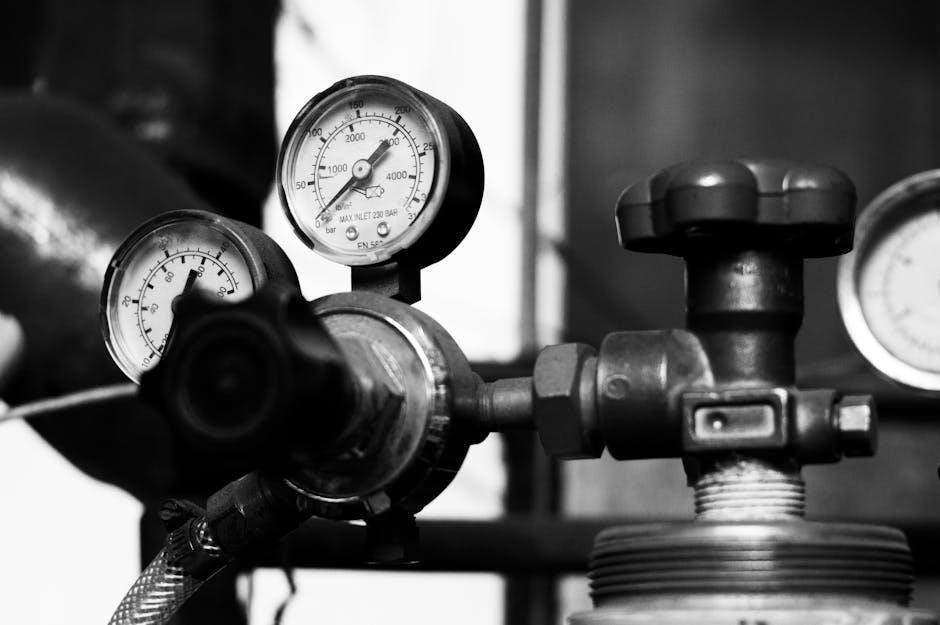
Rebuilding a TH350 reverse manual valve body involves meticulous disassembly, thorough cleaning, careful inspection, and precise component replacement for optimal hydraulic function.
Disassembly and Cleaning
Disassembling the TH350 reverse manual valve body requires a systematic approach, carefully noting the location of each component – valves, springs, and check balls – to ensure correct reassembly.
Begin by removing the exterior housing, then gently extract the valve body assembly, paying attention to any retaining clips or screws.
Once disassembled, a comprehensive cleaning process is crucial. Utilize a parts washer with a suitable solvent to remove old fluid, debris, and varnish buildup.
Avoid abrasive cleaners that could damage precision-machined surfaces.
Pay close attention to cleaning all passages and orifices, ensuring unrestricted fluid flow.
Compressed air can assist in drying components, but always wear eye protection.
Inspect each part for wear or damage during the cleaning process, identifying components needing replacement.
Proper cleaning is paramount for a successful rebuild and long-lasting performance.
Valve Body Inspection and Component Replacement
Thorough inspection of the TH350 reverse manual valve body’s components is vital after cleaning. Examine valves for scoring, wear, and proper seating; replace any exhibiting damage. Check springs for fatigue or breakage, ensuring they maintain correct tension.
Inspect check balls for wear or deformation, as these are critical for maintaining pressure. Carefully scrutinize the valve body bore for cracks, warping, or excessive wear – irreparable damage necessitates replacement.
When using a rebuild kit, replace all seals, O-rings, and gaskets, even if they appear intact, to prevent leaks.
Consider upgrading to a Superior K350 heavy-duty valve body for increased durability and performance.
Ensure all replacement parts are compatible with your specific TH350 model.
Precise component replacement guarantees optimal functionality.
Reassembly and Adjustment
Reassembling the TH350 reverse manual valve body demands meticulous attention to detail. Lubricate all moving parts with clean transmission fluid during assembly to prevent immediate wear and ensure smooth operation.
Carefully install valves, springs, and check balls, verifying correct orientation and seating. Torque all fasteners to the manufacturer’s specifications to avoid leaks or damage.
Pay close attention to the reverse manual linkage, ensuring proper adjustment for precise engagement.
After reassembly, perform a thorough pressure test to identify any internal leaks or malfunctions.
Adjust the modulator valve for optimal shift quality, referencing the factory service manual for specific settings.
A properly reassembled and adjusted valve body is crucial for reliable transmission performance.
Need a TH350 reverse manual valve body? We’ve got the parts to get your transmission shifting smoothly again! Explore our manuals & find what you need.