premature baby knitting patterns pdf free download
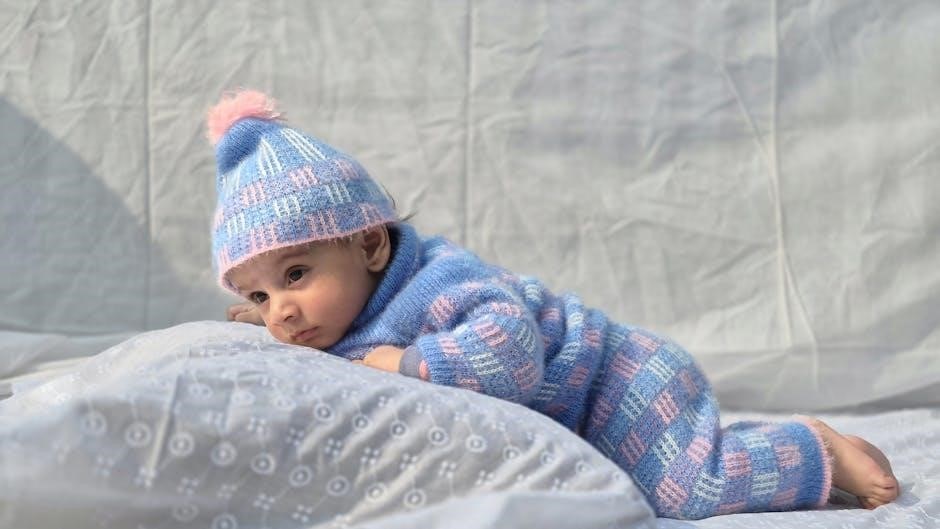
Article Plan: Premature Baby Knitting Patterns PDF Free Download
Discover a comprehensive guide to finding and utilizing free PDF knitting patterns specifically designed for premature babies‚ offering warmth and comfort through handmade creations․
Premature babies‚ often born weeks or even months before their due date‚ face unique challenges requiring specialized care and attention․ Their delicate skin and underdeveloped systems necessitate clothing and accessories that provide gentle warmth‚ comfort‚ and protection․ Standard baby clothing is often too large and can overwhelm these tiny infants․ This is where the compassionate act of knitting for premature babies becomes profoundly important․
Hand-knitted items offer a personalized touch and address the specific needs of preemies‚ providing a sense of security and well-being during a vulnerable time․ The availability of free PDF knitting patterns makes this act of kindness accessible to knitters of all skill levels‚ fostering a community dedicated to supporting these fragile little ones and their families․
Why Knit for Premature Babies?
Knitting for premature babies is a deeply rewarding way to contribute to the well-being of vulnerable newborns and offer support to their families during a stressful time․ Hospitals and charities often rely on donations of knitted items‚ as the demand consistently outweighs the supply․ These tiny garments provide essential warmth‚ crucial for preemies who struggle to regulate their body temperature․
Beyond the practical benefits‚ knitted items offer a comforting‚ human touch․ The act of creating something with love and care can be incredibly therapeutic for both the knitter and the recipient․ Knowing your handmade creation is helping a fragile baby thrive is a powerful and fulfilling experience․
Benefits of Hand-Knitted Items for Premies
Hand-knitted items offer unique advantages for premature babies‚ going beyond simply providing warmth․ The softness of natural fibers like wool or cotton is gentle on delicate skin‚ minimizing irritation․ Hand-knitting allows for temperature regulation‚ crucial as preemies struggle with maintaining stable body heat․
Furthermore‚ the texture and snug fit can provide a sense of security and reduce stimulation in the often-overwhelming hospital environment․ Unlike mass-produced clothing‚ hand-knitted items can be created with specific needs in mind‚ avoiding harsh seams or restrictive designs․ This personalized care contributes significantly to a preemie’s comfort and development․
Softness and Comfort
Premature babies have incredibly delicate skin‚ making softness paramount․ Hand-knitted items‚ utilizing yarns like merino wool or cotton‚ provide a gentle touch that minimizes irritation compared to synthetic fabrics․ The natural fibers ‘breathe’‚ reducing the risk of overheating or skin sensitivities․
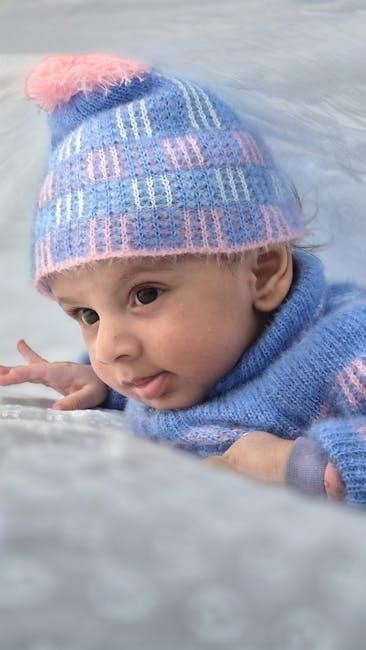
The very act of knitting creates a fabric with inherent give and flexibility‚ conforming to the baby’s tiny body without constriction․ This gentle embrace offers a sense of security and comfort‚ vital for a preemie navigating a stressful environment․ Choosing appropriate yarn weights further enhances this soothing experience․
Temperature Regulation
Premature babies struggle to regulate their body temperature effectively due to underdeveloped systems․ Hand-knitted items‚ particularly those made with natural fibers‚ offer excellent insulation without causing overheating․ Wool‚ for example‚ possesses natural thermoregulating properties‚ keeping babies warm when it’s cold and allowing excess heat to escape when it’s warmer․
Layering knitted garments allows for adaptable warmth‚ easily added or removed as needed․ Avoiding overly thick or heavy knits prevents overheating‚ a significant concern for preemies․ Carefully chosen stitch patterns can also contribute to breathability‚ ensuring optimal temperature control and comfort for the vulnerable infant․
Reduced Stimulation
Premature babies are highly sensitive to external stimuli‚ as their nervous systems are still developing․ The soft texture of hand-knitted items provides a gentle‚ comforting sensation‚ minimizing irritation compared to harsher fabrics․ Avoiding complex stitch patterns or excessive embellishments further reduces unnecessary stimulation․
The gentle weight of a knitted blanket can have a calming effect‚ mimicking the feeling of being held․ Simple‚ uncluttered designs promote relaxation and support the baby’s neurological development․ Prioritizing soft yarns and seamless construction contributes to a soothing environment‚ crucial for preemies in the NICU․
Understanding Premature Baby Sizes
Premature baby sizing differs significantly from standard newborn sizes‚ often categorized by weight and gestational age rather than age alone․ Common size designations include micro-preemie (under 2 lbs)‚ preemie (2-3 lbs)‚ and early preemie (3-4 lbs)․ Patterns will often specify measurements in inches or centimeters‚ focusing on chest circumference and length․
It’s crucial to consult size charts provided with patterns‚ as variations exist․ Remember that preemies grow rapidly‚ so consider knitting slightly larger items to allow for growth․ Accurate measurements are vital for a comfortable fit‚ avoiding constriction or items that are too large․
Key Considerations When Choosing Patterns
Selecting appropriate patterns is paramount when knitting for premature babies․ Prioritize hypoallergenic yarns like cotton or bamboo to minimize skin irritation․ Opt for simple stitch patterns – avoid textured stitches that could snag delicate skin․ Seam-free or minimal seam construction is essential to prevent pressure sores and discomfort․
Carefully review pattern instructions for clarity and accuracy․ Consider the baby’s gestational age and weight when choosing a size․ Ensure the pattern doesn’t include small parts like buttons or embellishments‚ posing a choking hazard․ Prioritize safety and comfort above all else․
Yarn Choice: Hypoallergenic Options
Selecting the right yarn is crucial for premature babies’ sensitive skin․ Hypoallergenic yarns are a must‚ minimizing the risk of allergic reactions or irritation․ Consider 100% cotton‚ known for its softness and breathability․ Bamboo yarn is another excellent choice‚ offering exceptional softness and moisture-wicking properties․
Avoid wool‚ acrylic‚ or other synthetic fibers that can cause itching or discomfort․ Always choose yarns specifically labeled as baby-safe and wash them before use to remove any potential irritants․ Opt for lighter weight yarns for delicate projects․
Stitch Patterns: Avoiding Irritation
When knitting for premature babies‚ prioritize stitch patterns that are gentle on delicate skin․ Avoid textured stitches like cables or bobbles‚ as these can create friction and cause irritation․ Stockinette stitch is a classic choice‚ offering a smooth and comfortable surface․ Garter stitch is another excellent option‚ providing a soft and stretchy fabric․
Simple ribbing can be used for cuffs and edges‚ but ensure it’s not too tight․ Prioritize patterns with minimal texture and focus on creating a soft‚ seamless garment․ Remember‚ comfort is paramount for these tiny babies․
Seam-Free or Minimal Seam Construction
Premature babies have incredibly sensitive skin‚ making seam-free or minimal seam construction crucial․ Seams can cause pressure and irritation‚ hindering their comfort and development․ Knitting in the round – for hats‚ cardigans‚ and booties – eliminates side seams entirely․ If seams are unavoidable‚ choose techniques like mattress stitch for a flat‚ nearly invisible join․
Patterns designed with integrated construction‚ reducing the need for extensive sewing‚ are ideal․ Prioritize designs that minimize any potential rubbing or discomfort for these fragile infants․
Popular Free PDF Knitting Patterns
Numerous websites offer free PDF knitting patterns tailored for premature babies‚ catering to various skill levels․ Popular choices include simple garter stitch hats and booties‚ perfect for beginners․ More experienced knitters might enjoy cardigan patterns with delicate lace details․ Websites like Ravelry host a vast collection‚ searchable by size and pattern type․
Look for patterns specifically mentioning suitability for NICU babies‚ ensuring they meet safety standards․ Many charitable organizations also provide free patterns on their websites‚ encouraging knitters to contribute to a worthy cause․
Cardigan Patterns for Premature Babies
Cardigans are a staple for premature babies‚ providing warmth and easy access for medical care․ Free PDF patterns often feature simple designs‚ like basic garter stitch or stockinette stitch cardigans‚ minimizing seams for delicate skin․ Look for patterns with front closures – snaps or ties are preferable to buttons for safety․
Many patterns are designed to be knit flat and seamed‚ while others offer seamless construction․ Consider patterns that allow for easy adjustment in size‚ accommodating the baby’s growth․ A well-fitted cardigan offers comfort and a sense of security․
Hat Patterns for Premature Babies
Hats are crucial for regulating a premature baby’s body temperature‚ as they lose heat quickly through their heads․ Free PDF patterns typically offer small‚ simple hat designs‚ often knit in soft‚ lightweight yarn․ Look for patterns that are top-down‚ minimizing seams around the baby’s head․
Beanies and pixie hats are popular choices․ Ensure the hat isn’t too tight‚ allowing room for growth and avoiding pressure․ Patterns often include instructions for different sizes‚ from micro-preemie to newborn․ A well-fitting hat provides warmth and comfort‚ essential for tiny babies․
Booties and Socks Patterns for Premature Babies
Keeping tiny feet warm is vital‚ and knitted booties and socks are a thoughtful contribution․ Free PDF patterns for premature baby footwear often feature simple designs‚ prioritizing comfort and ease of wear․ Look for patterns that are worked flat or in the round‚ minimizing seams that could irritate delicate skin․
Cuff-down booties are common‚ allowing for adjustability․ Ensure the patterns offer various sizes‚ catering to micro-preemie to newborn feet․ Soft yarn choices are paramount․ Properly fitted booties and socks help maintain circulation and provide essential warmth for these vulnerable little ones․
Blanket Patterns for Premature Babies
Knitted blankets offer a sense of security and warmth‚ crucial for premature babies spending time in incubators or under special care․ Free PDF blanket patterns designed for preemies often prioritize lightweight construction and gentle textures․ Look for patterns utilizing simple stitch patterns like garter stitch or seed stitch‚ avoiding anything overly bulky or textured․
Small square motifs‚ joined together‚ are a popular choice for quick completion and customization․ Consider the blanket’s size; smaller blankets are often more practical for hospital use․ Soft‚ hypoallergenic yarn is essential‚ ensuring the blanket is safe and comfortable against sensitive skin․
Resources for Free Patterns: Websites & Organizations
Numerous online platforms offer free premature baby knitting patterns in PDF format․ The Premmie Knitting Club‚ active for a decade‚ boasts a dedicated community and a growing collection of volunteer-created patterns․ Ravelry hosts numerous groups focused on knitting for premature babies‚ providing access to user-submitted designs and pattern links․
Several charity knitting websites compile patterns specifically requested by hospitals and NICUs․ Vinted‚ while primarily a resale platform‚ can be a source for affordable yarn and supplies to support your crafting efforts․ Exploring these resources ensures a wide variety of options for your compassionate knitting projects․
The Premmie Knitting Club
The Premmie Knitting Club stands as a vibrant and long-standing community dedicated to providing warmth and comfort to premature babies through hand-knitted items․ For ten years‚ this organization has successfully grown its base of dedicated volunteers‚ all passionate about supporting families navigating the challenges of premature birth․
They offer a wealth of free knitting patterns specifically designed for tiny babies‚ readily available on their website․ The club fosters a supportive environment where knitters can share their creations‚ ask questions‚ and connect with others who share their commitment to this meaningful cause․
Ravelry – Premature Baby Groups
Ravelry‚ a popular online community for knitters and crocheters‚ hosts numerous dedicated groups focused on knitting for premature babies․ These groups serve as invaluable resources for finding free patterns‚ sharing advice‚ and connecting with fellow knitters passionate about supporting tiny patients․
Within these groups‚ you’ll discover a vast collection of user-submitted patterns‚ ranging from simple hats and booties to more complex cardigans and blankets․ Ravelry’s robust search function allows you to filter patterns by size‚ yarn weight‚ and construction method‚ making it easy to find the perfect project․
Charity Knitting Websites
Several websites specialize in coordinating donations of knitted and crocheted items for premature babies and other vulnerable populations․ These organizations often provide free patterns specifically designed to meet the needs of tiny infants‚ ensuring items are safe and appropriate for hospital use․
These charities frequently outline specific requirements regarding yarn type‚ stitch patterns‚ and construction techniques‚ prioritizing hypoallergenic materials and minimizing potential hazards․ By knitting for these organizations‚ you can directly contribute to providing comfort and care to babies in need‚ knowing your efforts are aligned with established guidelines․
Downloading and Printing PDF Patterns
Once you’ve located your desired premature baby knitting patterns in PDF format‚ downloading is usually straightforward – simply click the provided link․ Ensure your device has a PDF reader installed‚ such as Adobe Acrobat Reader‚ which is often free to download․
For printing‚ select the “Print” option within your PDF reader․ Carefully review the print settings to ensure the pattern scales correctly; a “Scale to Fit” option can sometimes distort measurements․ Consider printing on heavier weight paper for durability‚ especially if you’ll be referencing the pattern frequently during your knitting project․
Essential Knitting Supplies
To embark on your premature baby knitting journey‚ gathering the right supplies is crucial․ You’ll need knitting needles in various sizes – typically between 2․25mm and 3․25mm are common for preemie garments‚ depending on the yarn weight․
Yarn selection is paramount; opt for super soft‚ hypoallergenic materials like baby merino wool or cotton․ Avoid anything scratchy or heavily textured․ A yarn weight of fingering or DK is frequently recommended․ Don’t forget stitch markers‚ a tapestry needle for weaving in ends‚ and scissors – these are fundamental tools for any knitter!
Needles: Sizes for Premature Baby Knitting
Selecting the correct needle size is vital when knitting for premature babies‚ ensuring a comfortable and appropriately sized garment․ Generally‚ needles ranging from 2․25mm (US 1) to 3․25mm (US 3) are most frequently used․ The specific size will depend on the yarn weight chosen; finer yarns require smaller needles․
Straight needles‚ double-pointed needles (DPNs)‚ or circular needles can all be employed․ Circular needles are often preferred for larger pieces like blankets‚ while DPNs are useful for small circumferences like booties․ Consider bamboo or plastic needles for a gentler grip․
Yarn: Recommended Weights and Materials
Choosing the right yarn is paramount for premature baby items‚ prioritizing softness and safety․ Baby yarn‚ specifically designed for delicate skin‚ is an excellent choice․ Look for yarns labeled “hypoallergenic” and avoid wool if sensitivities are a concern․
Fingering (sock) weight and DK (double knit) weight yarns are commonly used․ These provide a lightweight and breathable fabric․ Materials like cotton‚ bamboo‚ and acrylic blends are popular options․ Always check the yarn label for washing instructions to ensure easy care for parents․
Basic Knitting Techniques for Beginners
Embarking on premature baby knitting is achievable even with limited experience! Mastering the knit stitch (garter stitch) is fundamental‚ creating a simple‚ textured fabric․ Purl stitch knowledge expands possibilities‚ enabling stockinette stitch and ribbing․
Casting on and binding off are essential starting and finishing techniques․ Practice these until comfortable․ Learning to increase and decrease stitches allows for shaping garments․ Resources like YouTube tutorials offer visual guidance․ Don’t be afraid to start with small projects like squares to build confidence before tackling full patterns!
Reading Knitting Patterns: A Quick Guide
Decoding knitting patterns unlocks a world of creativity! Patterns typically begin with a materials list – yarn weight‚ needle size‚ and notions․ Gauge information is crucial; knit a swatch to ensure correct sizing․ Instructions are written line-by-line‚ detailing each row or round․
Abbreviations are common; a key is usually provided (see section on abbreviations!)․ Parentheses often indicate repeated sections․ Brackets may show stitch counts at the end of a row․ Understanding these symbols streamlines the process․ Don’t hesitate to consult online resources or fellow knitters for clarification!
Common Knitting Abbreviations Used in Premature Baby Patterns
Knitting patterns utilize shorthand for efficiency․ “K” signifies knit‚ “P” purl․ “St(s)” means stitch(es)‚ while “rnd(s)” denotes round(s)․ “Inc” stands for increase‚ often “Kfb” (knit front and back) or “M1” (make one)․ “Dec” indicates decrease‚ commonly “K2tog” (knit two together) or “SSK” (slip‚ slip‚ knit)․
Other frequent abbreviations include: “Rep” (repeat)‚ “CO” (cast on)‚ “BO” (bind off)‚ and “RS” (right side)․ Understanding these terms is vital for following patterns accurately․ A pattern key will define any less common abbreviations used․ Familiarizing yourself with these saves time and frustration!
Safety Guidelines for Knitting for Premature Babies
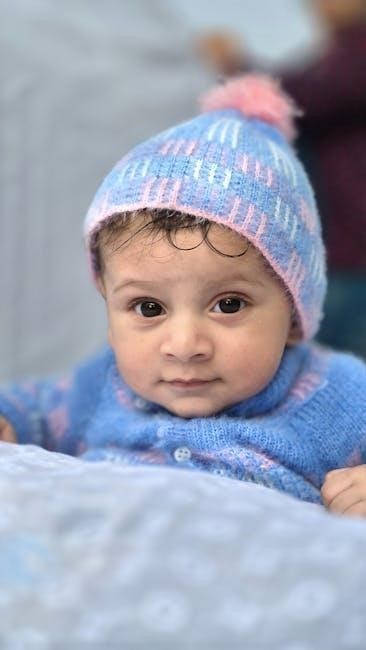
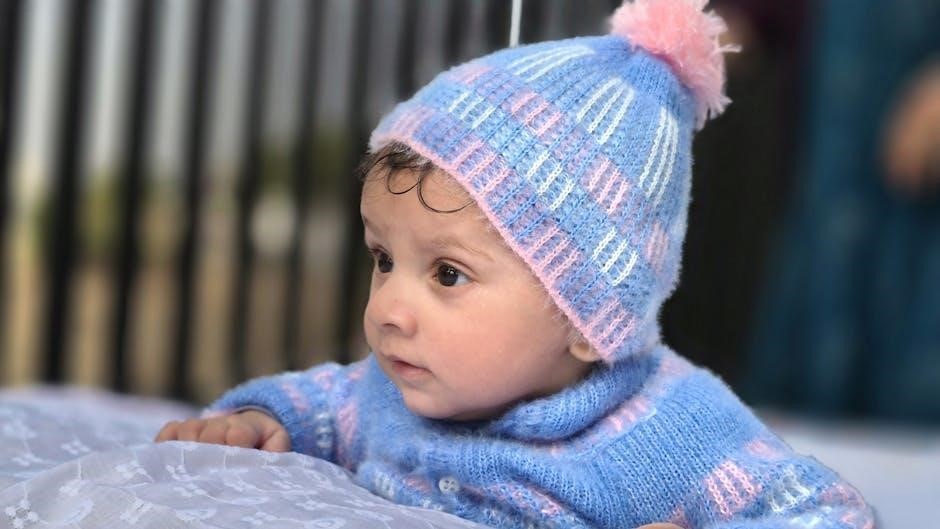
Premature babies require extra care‚ extending to knitted items․ Avoid any small parts like buttons or embellishments that pose a choking hazard․ Secure all yarn ends meticulously; loose fibers can be dangerous if ingested․ Opt for tightly woven stitches to prevent tiny fingers from getting caught․
Hypoallergenic yarns are crucial to minimize skin irritation․ Regularly inspect finished items for any unraveling․ Prioritize safety above all else! Ensure items are machine washable for easy hygiene․ Following these guidelines protects vulnerable infants․
Avoiding Buttons and Embellishments
For premature babies‚ safety is paramount․ Buttons‚ beads‚ and other embellishments present a significant choking hazard and should be strictly avoided on knitted items․ Even securely attached decorations can become detached with wear and tear․ Focus on creating simple‚ clean designs without any added features that could pose a risk․
Embroidered details‚ if desired‚ should be done with yarn and securely woven in․ Consider alternatives like knitted-in colorwork instead of applied decorations․ Prioritize a smooth‚ uninterrupted surface to ensure the baby’s well-being․ Remember‚ less is more when it comes to premature baby garments․
Ensuring Yarn Security (No Loose Fibers)
Premature babies have delicate skin and respiratory systems‚ making yarn security crucial․ Choose yarns that are tightly spun and resist pilling or shedding․ Before knitting‚ wash the yarn to remove any loose fibers that could irritate the baby’s skin or be inhaled․
After completing the knitted item‚ weave in all yarn ends meticulously‚ ensuring they are securely hidden and won’t unravel․ Avoid fuzzy or novelty yarns that are prone to shedding․ Regularly inspect finished items for any loose fibers and remove them promptly․ Prioritize a smooth‚ stable knit structure for optimal safety․
Where to Donate Knitted Items
Numerous organizations gratefully accept knitted items for premature babies․ Hospitals with Neonatal Intensive Care Units (NICUs) often have specific guidelines‚ so contacting them directly is best․ The Premmie Knitting Club coordinates donations to hospitals across the UK and Ireland․
Local charities and children’s hospitals are also excellent options․ Consider organizations like Little Hats for Little Heads‚ which provides hats to babies in NICUs․ Ensure items are clean‚ unworn‚ and meet the organization’s requirements regarding yarn type and construction․ Your handmade gifts offer comfort and support to vulnerable infants and their families․
Vinted as a Resource for Yarn and Supplies
Vinted offers a sustainable and affordable way to source yarn and knitting supplies for your premature baby projects․ This platform connects buyers and sellers of pre-owned items‚ providing access to a wide variety of yarns‚ often at reduced prices․
You can find discontinued lines‚ unique blends‚ and even partially used skeins perfect for smaller projects like preemie garments․ Vinted’s user-friendly interface allows you to search specifically for baby yarn or hypoallergenic options․ It’s a great way to support a circular economy while fulfilling your crafting needs!
Troubleshooting Common Knitting Issues
Even experienced knitters encounter challenges! Dropped stitches are easily fixed with a crochet hook‚ while uneven tension can be improved with practice and consistent yarn handling․ Holes can often be resolved by carefully weaving in the loose ends․
If your gauge is off‚ adjust needle size – smaller needles for tighter gauge‚ larger for looser․ Remember to always swatch before starting a project‚ especially for preemie sizes! Twisted stitches can be gently untwisted with a needle․ Don’t be afraid to unravel and restart if needed; patience is key!
Adapting Patterns for Different Sizes
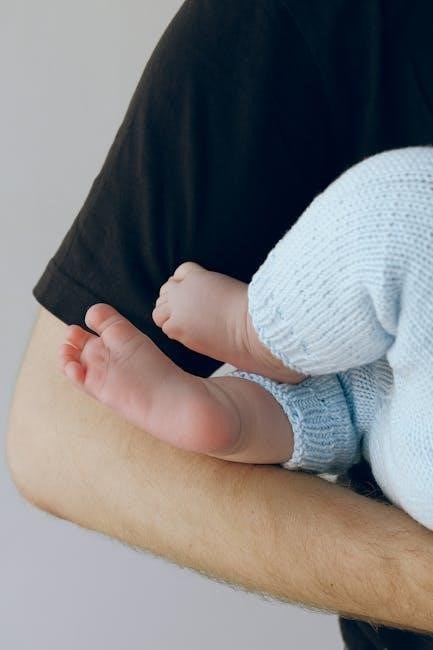
Premature baby sizes vary greatly‚ so adapting patterns is often necessary․ Understanding how to adjust for length and width is crucial․ Increasing or decreasing needle size impacts the final size; smaller needles yield smaller garments․
Adding or subtracting rows alters length‚ while increasing or decreasing stitch counts adjusts width․ Always prioritize a comfortable fit‚ avoiding anything too tight․ Check finished measurements against preemie size charts frequently․ Remember that preemie sizes are often categorized by weight‚ not age‚ so prioritize weight-based adjustments for the best fit․
Advanced Techniques: Colorwork and Texture
For experienced knitters‚ incorporating colorwork and texture elevates premature baby garments․ Simple stripes or basic Fair Isle patterns add visual interest‚ but choose soft‚ hypoallergenic yarns to avoid irritation․ Textured stitches like seed stitch or moss stitch create subtle dimension without bulk․
Be mindful of stitch definition; overly complex patterns can be stiff․ Intarsia is generally avoided due to potential bulk and yarn ends․ When using multiple colors‚ ensure all yarns are equally soft and washable․ Prioritize simplicity and comfort over elaborate designs for delicate preemie skin․
Maintaining Knitted Items for Premature Babies
Proper care ensures longevity and hygiene for knitted preemie items․ Gentle hand washing with a mild‚ hypoallergenic detergent is crucial․ Avoid harsh chemicals‚ bleach‚ or fabric softeners‚ which can irritate sensitive skin․ Lay items flat to dry‚ avoiding direct sunlight or heat‚ which can cause shrinkage or damage fibers․
Regularly inspect for loose fibers or unraveling seams․ Secure any loose ends immediately to prevent ingestion․ Before donating‚ ensure items are thoroughly cleaned and free of any potential hazards․ Storage in a clean‚ dry place protects against dust and moths‚ preserving the quality for future use․
Knitting for premature babies is a profoundly rewarding experience․ Knowing your handmade items provide comfort and warmth to vulnerable infants brings immense joy․ Utilizing free PDF patterns makes this compassionate act accessible to knitters of all skill levels․ Contributing to organizations like The Premmie Knitting Club or donating directly to hospitals amplifies your impact․
Every stitch represents hope and care․ By sharing your talent‚ you’re not just creating garments; you’re offering a tangible expression of support during a challenging time for families․ Embrace the fulfilling journey of knitting for a cause and experience the profound satisfaction it brings․
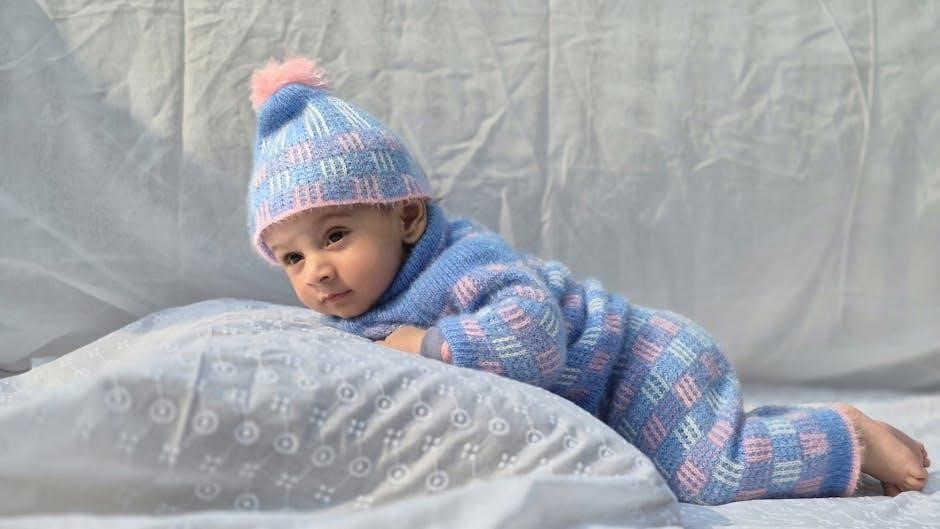
Searching for adorable & *free* knitting patterns for premature babies? We’ve got you covered! Download beautiful PDF patterns & create something special with love. UK site.